5 Tips for Selecting Large Window Treatments
Large windows are one of the best features a home can have. Views of the Bitterroot Valley. Natural light that changes throughout the day. A sense of connection to the outdoors that smaller windows just cannot replicate. But large window blinds and shades come with a different set of considerations than standard windows. The wrong product in the wrong situation ends up sagging, difficult to operate, too heavy, or just not functional. Here are five things our team recommends you consider before you commit to anything.
Tip 1: Get Precise Measurements for Your Large Window Shades and Blinds
This sounds obvious. But large windows amplify measurement errors significantly. An eighth-inch mistake on a standard window is barely noticeable. The same mistake on a 96-inch wide window creates visible gaps, alignment problems, or a shade that does not operate correctly. Measure width and height in multiple places — top, middle, and bottom for width; left, center, and right for height. Large windows frequently have minor variations in frame dimensions, and you need to account for the smallest measurement.
For window blinds for large windows, even small measurement errors can result in products that require replacement. If you are not confident in your measurements, let us come take them for you. That is part of what the free in-home consultation is for, and it costs you nothing.
Tip 2: Think Hard About How You Will Operate Your Large Window Treatments
A standard 36-inch shade is easy to raise and lower by hand. A 72-inch shade is manageable. A 96-inch shade — or anything approaching the width of a sliding glass door or picture window — can feel difficult to operate manually, especially if it is also tall. Pulling cords or a lift bar on a large, heavy shade every morning and evening gets old fast.
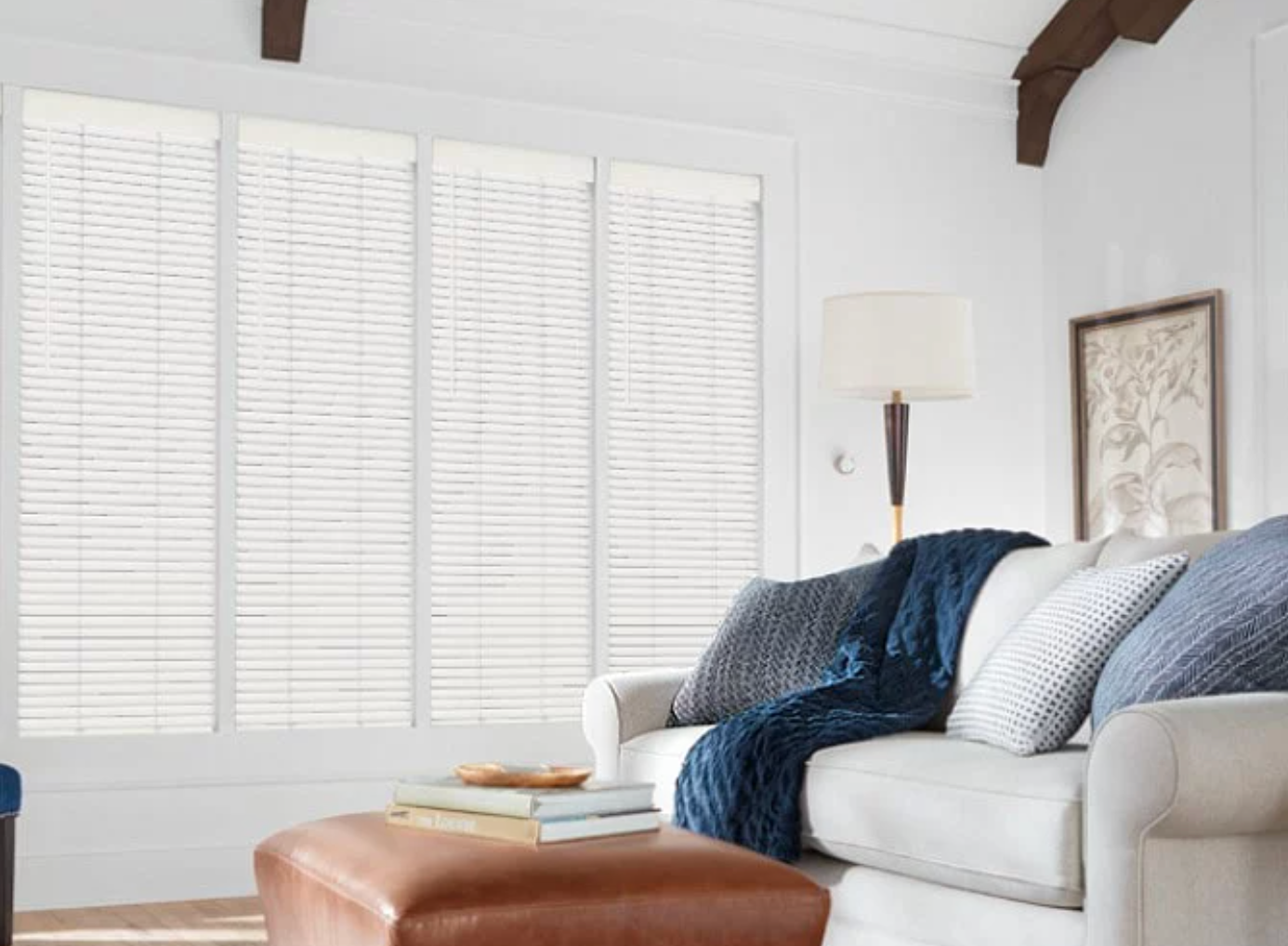
This is where motorization turns your windows into comfortable and seamless light control. Alta® Wood Blinds, made from real basswood, powered by sleek motorization technology, help you keep large windows covered without the hassle. With a remote, a wall switch, or a phone app, you can raise and lower a 10-foot-wide shade with the same effort as a 3-foot-wide one.
Tip 3: Consider Whether One Wide Shade or Multiple Panels Makes More Sense
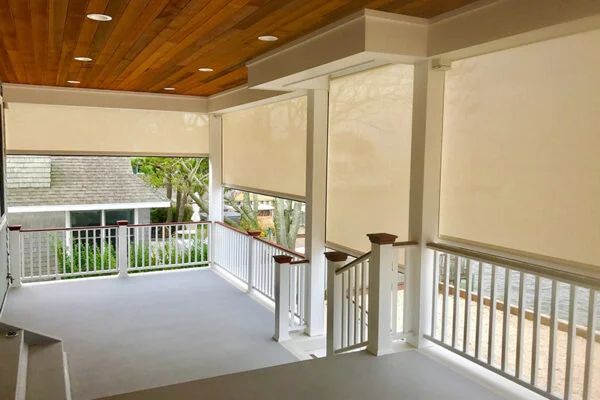
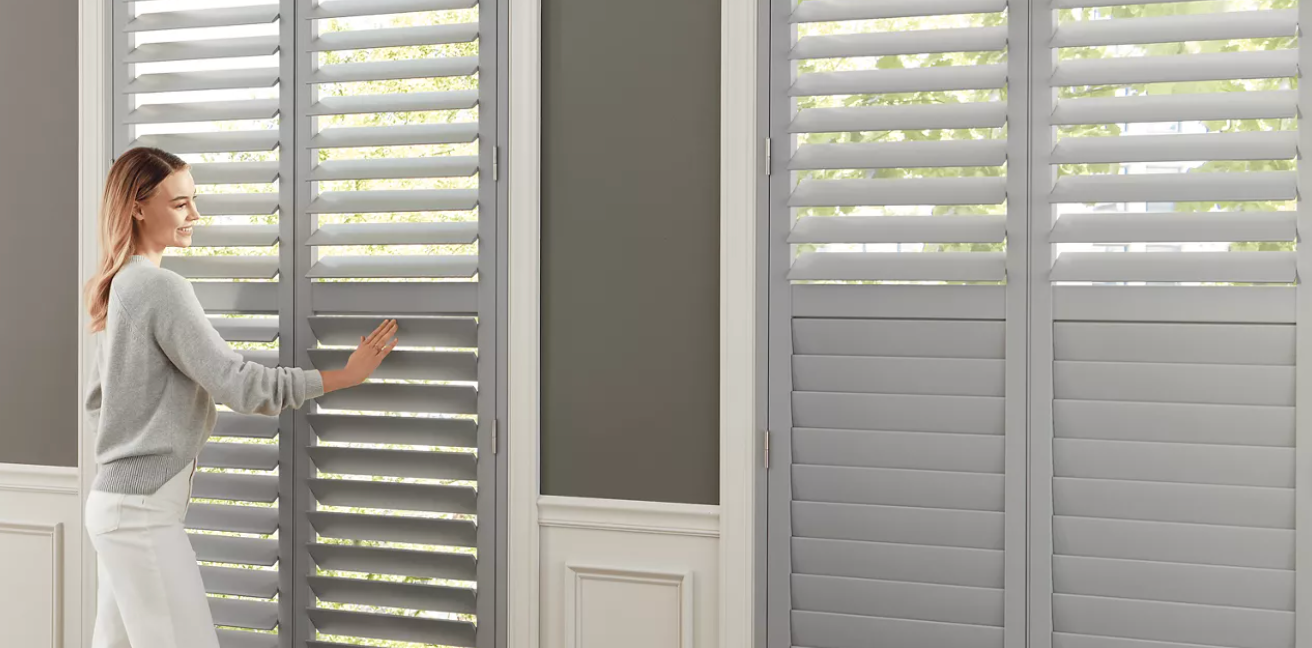
Not every large window needs a single, full-width treatment. In many cases, two or three panels side by side are a better solution than one very wide shade. Multiple panels are easier to operate manually, place less stress on the hardware, and give you more flexibility in light control — you can open half the window while blocking direct sun on the other side.
The trade-off is the visual line. Multiple panels create seams at their joins, which is not ideal for every window. For a picture window where you want a completely unobstructed view when the shade is raised, a single-panel motorized shade is often the cleaner choice. For a wide bank of windows or a sliding glass door, panels often work just as well aesthetically and are more practical to operate.
Alta® Vertical Blinds with luxurious fabric vanes are worth mentioning. For very wide windows and sliding glass doors, vertical blinds distribute the operation across multiple vanes rather than concentrating it at a single lift point, making them inherently well-suited to large spans. They slide open to the side rather than lifting, which also reduces the weight issue entirely.
Tip 4: Consider Light Management with Large Shades and Blinds
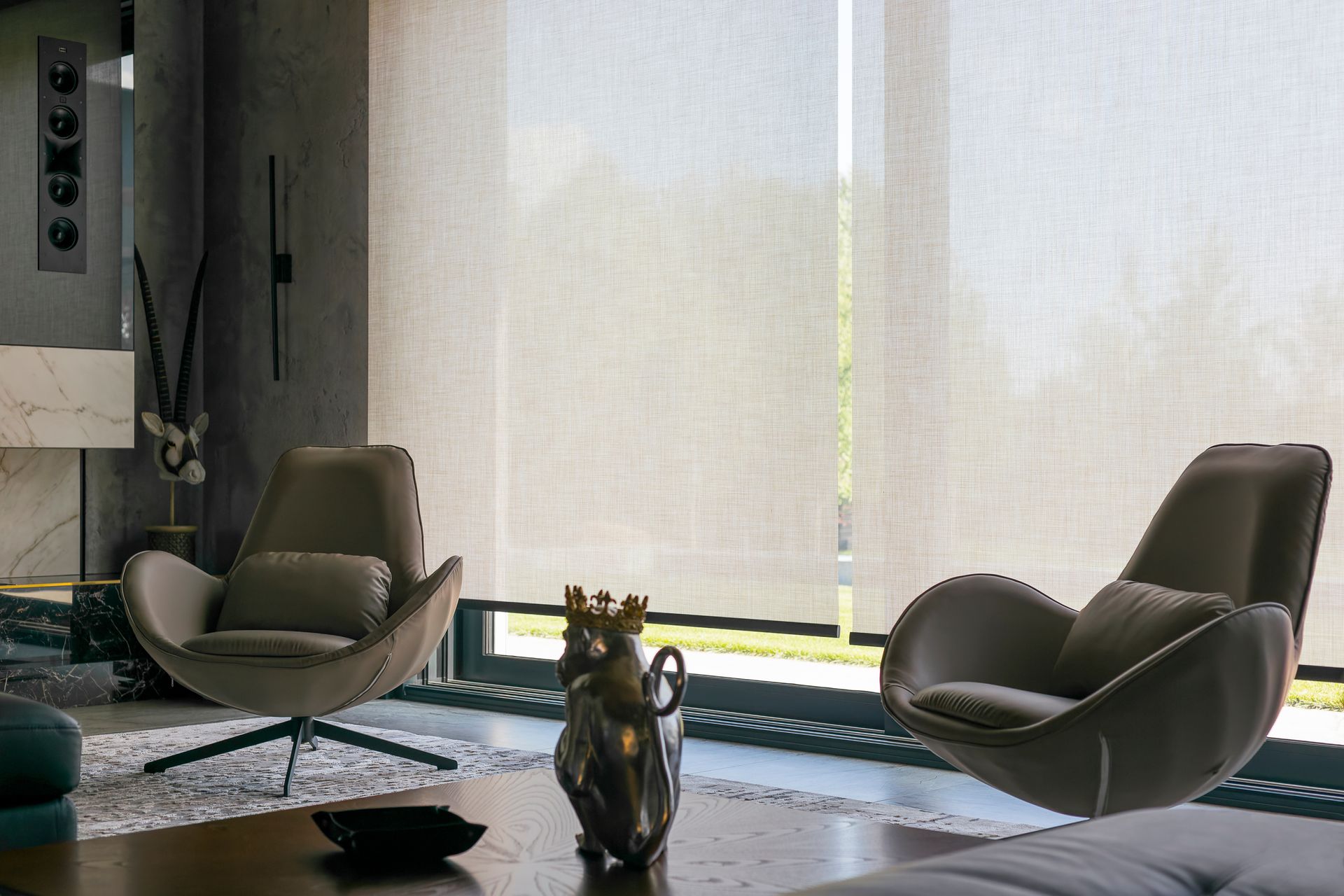
Large windows let in a lot of light. That is usually the point. But it also means that the light-control decisions you make have a greater impact on the room than they would with smaller windows. A light-filtering interior shade on a large south-facing window may still let in enough light to create significant glare on screens and furniture. A room-darkening shade on the same window gives you real control.
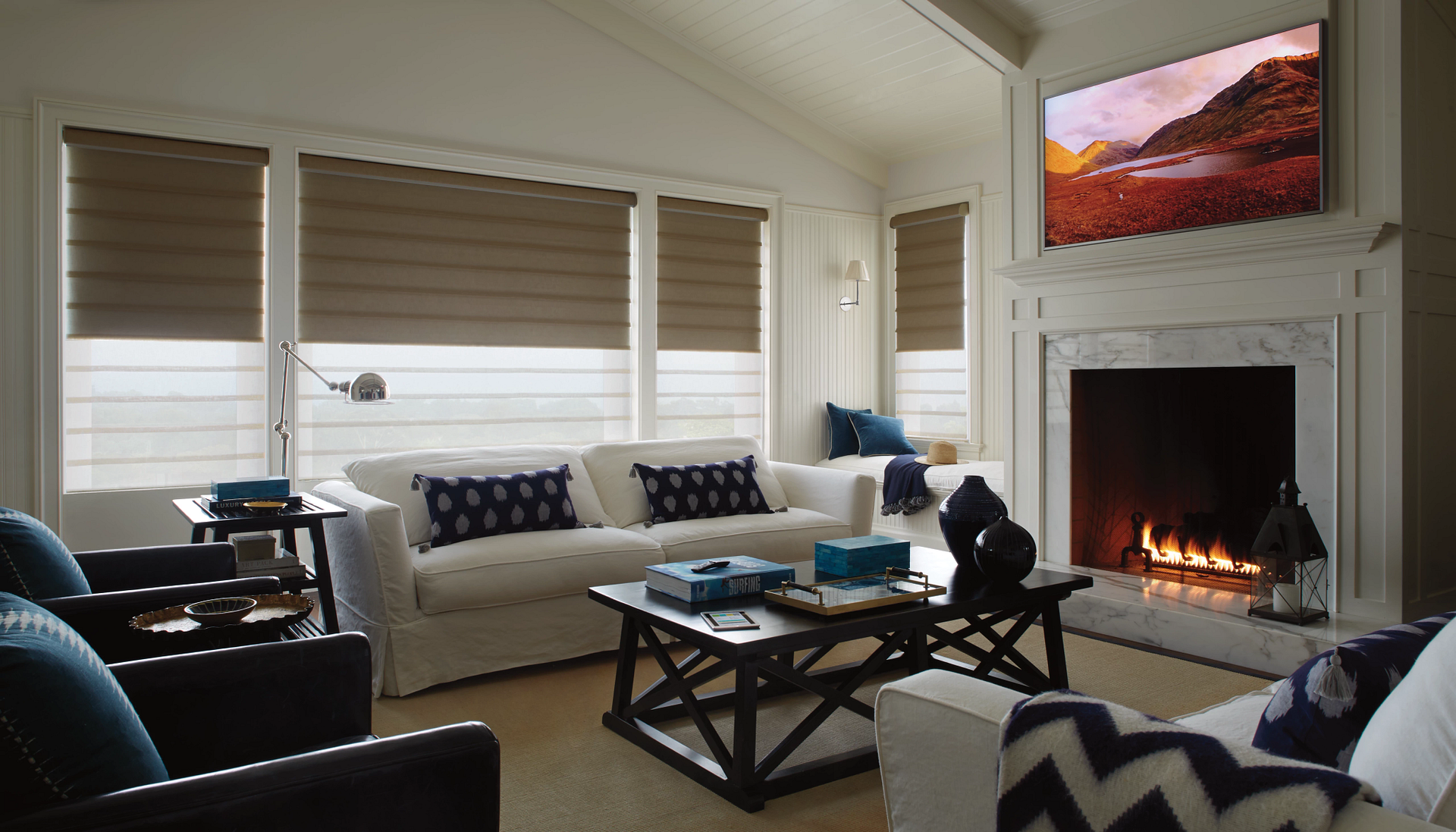
This is where we love Hunter Douglas Silhouette® Sheer Shades. Their S-shaped fabric vanes filter and diffuse incoming light, reducing glare significantly while maintaining a pleasant, well-lit room.
Tip 5: Keep the Visual Weight of Large Window Treatments in Mind
Scale changes everything in design, and window treatments are no exception. On a standard window, your fabric choice is a supporting detail. On a floor-to-ceiling or wall-to-wall window, it becomes one of the most prominent elements in the room — and what reads as interesting or textured at a small size can feel busy and overpowering at a large one.
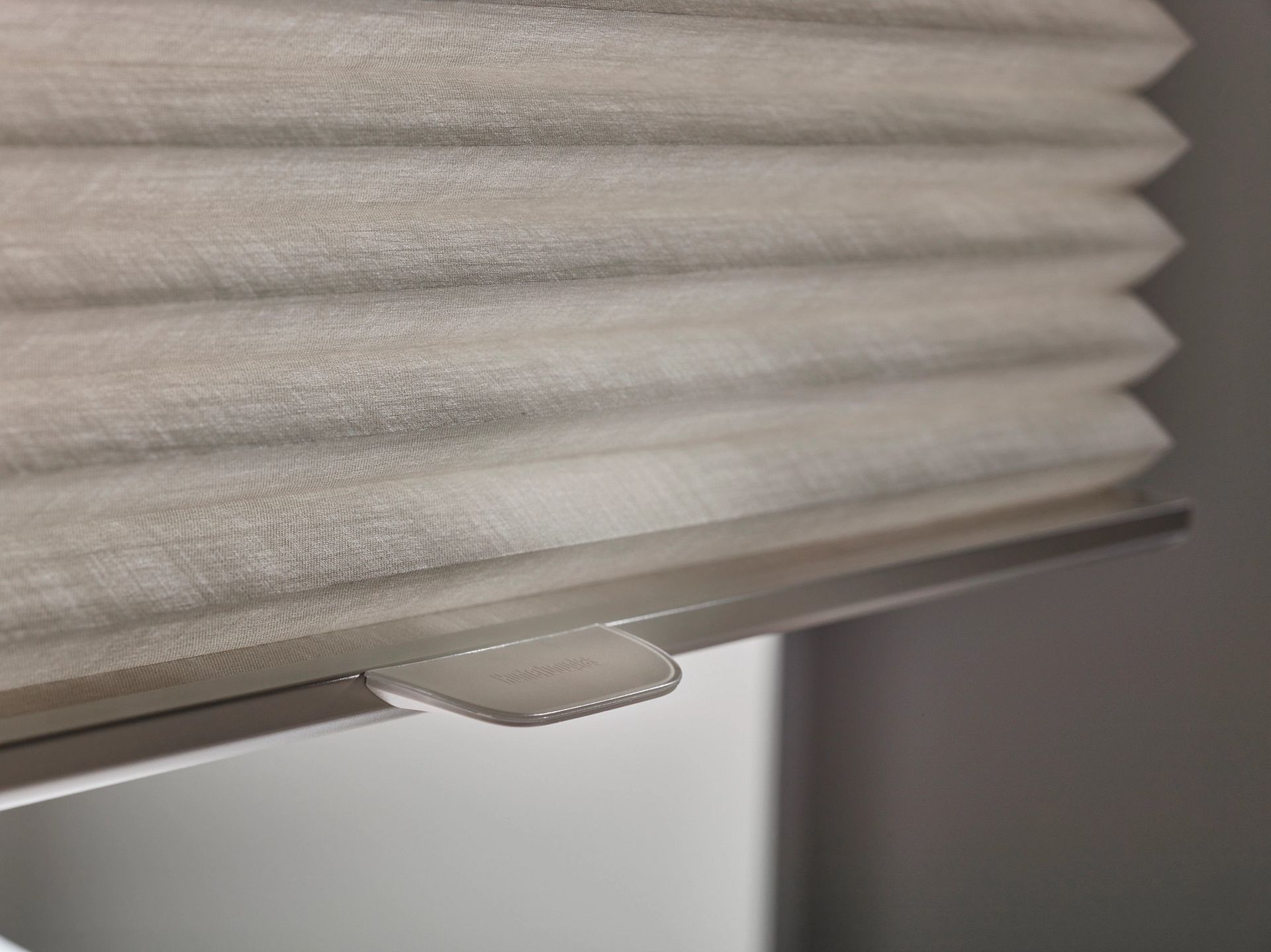
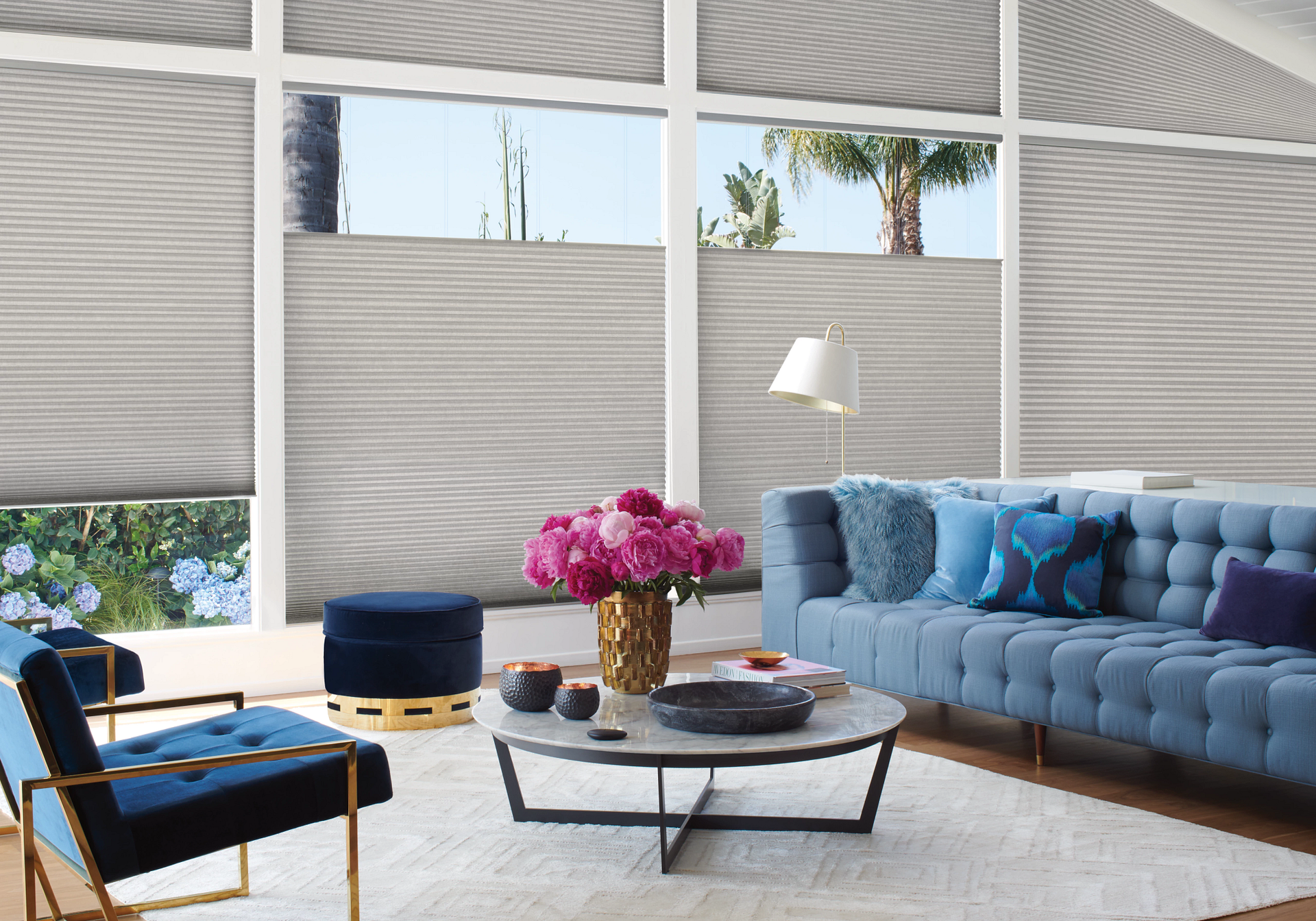
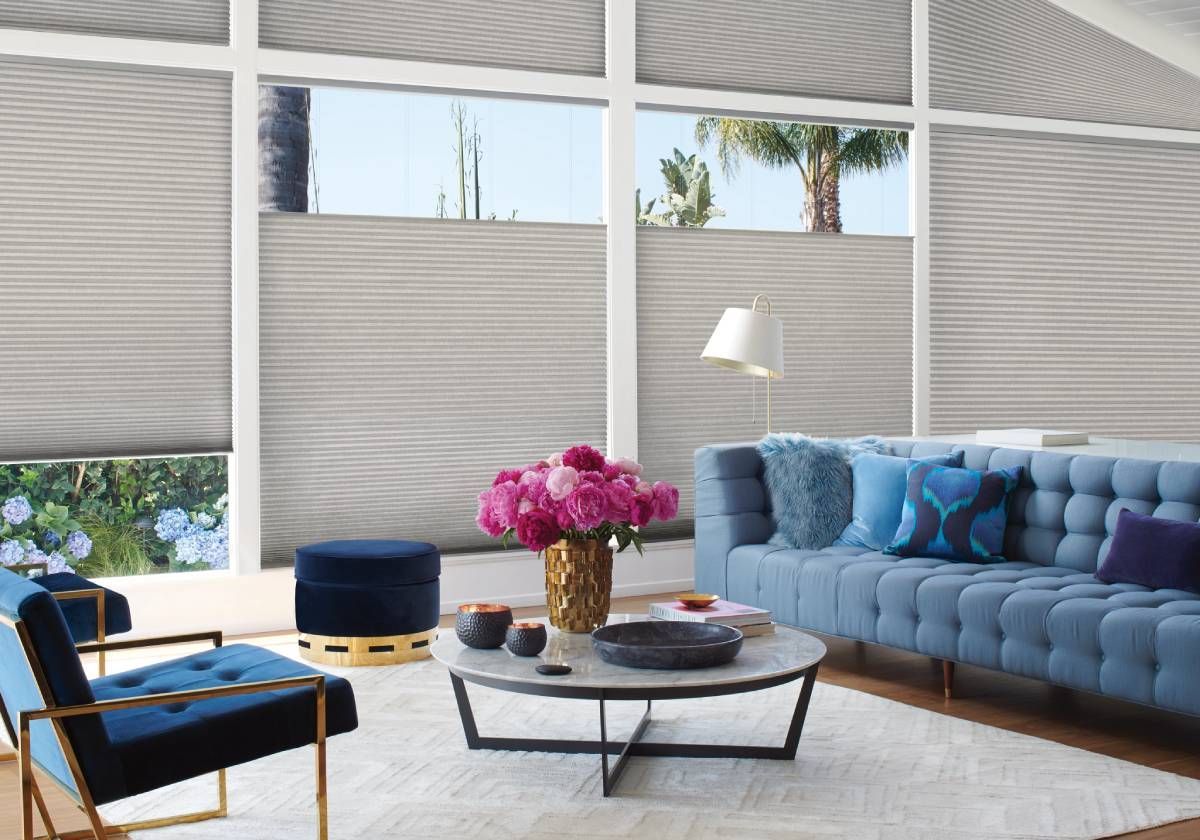
For most large window applications, we recommend keeping your window treatments visually calm. Neutral solid colors or subtle textures tend to serve the space better than statement patterns, which can compete with the view rather than complement it. Graber® Cellular Shades and Alta® Cellular Shades both offer large palettes of neutral and nature-inspired tones that work well in Montana home interiors — from modern builds to older craftsman-style homes in the Bitterroot Valley.
The goal is a treatment that looks intentional and elegant when closed, and disappears as much as possible when open. That is the standard for a well-chosen large window treatment.
Get Help Choosing Window Treatments Near Missoula, MT
Large windows deserve the right treatment, and getting there usually takes a conversation about your specific windows, your room, and how you live in it. The Blind Guy Missoula offers free in-home consultations throughout Missoula and the Bitterroot Valley, including Florence, Stevensville, Victor, Hamilton, and the surrounding communities.